Meal Tracker Notebook Planner Journal
The Meal Tracker Notebook Planner Journal is a versatile design that could serve as a valuable addition to any craft business or handmade product line. As an embroidery designer with years of experience, I’ve evaluated countless designs for real-world use, and this one stands out for its clean layout and practical utility.
First Impressions: A Design That Speaks to Practicality
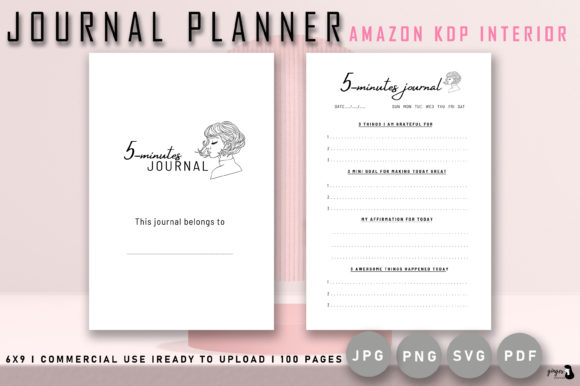
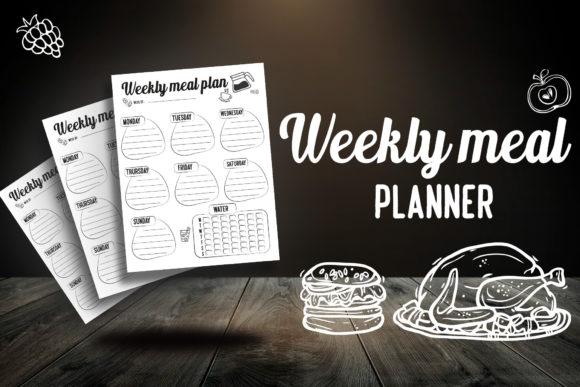
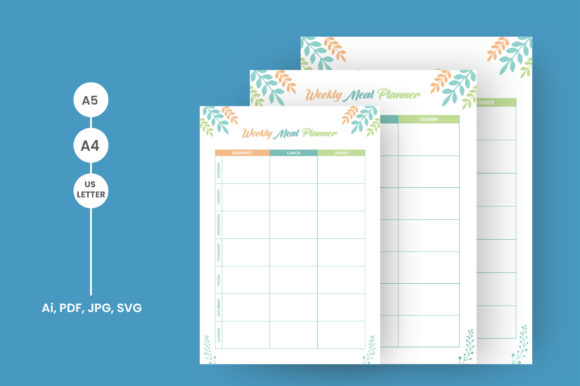
From the first glance, the Meal Tracker Notebook Planner Journal feels organized and functional. The layout is straightforward, with clear sections for tracking meals, grocery lists, and daily notes. The design uses simple shapes and structured lines, making it ideal for embroidery projects that prioritize clarity over intricate detail.
The visual personality of the design is calm and professional, which makes it suitable for a wide range of products. Whether it’s a custom tote bag, a sweatshirt, or a baby onesie, the design maintains a sense of order without being overwhelming. The theme is neutral enough to work in both home and commercial settings.
Real-World Embroidery Use Cases
When considering how the Meal Tracker Notebook Planner Journal would translate into actual embroidery, several use cases come to mind. For instance, a small shop owner might want to offer personalized tote bags with this design for customers who are looking for a practical and stylish way to keep track of their meals. Similarly, an Etsy seller could incorporate it into a line of embroidered kitchen towels or aprons, appealing to those who value organization and functionality.
This design also has potential in baby items. A custom onesie with the Meal Tracker Notebook Planner Journal could be a thoughtful gift for new parents, combining practicality with a personal touch. The clean lines and minimal details make it easy to adapt for different fabric types and embroidery techniques.
Considerations for Different Embroidery Projects
While the Meal Tracker Notebook Planner Journal is generally well-suited for embroidery, there are a few areas where caution is advised. For example, if you’re working on a small hoop size, the design may require some simplification to ensure all elements are visible and legible. Similarly, on textured fabrics or thin materials, the stitch density might need adjustment to prevent puckering or distortion.
On dark fabrics, the design’s simplicity can be an advantage, as it allows for better visibility with contrasting thread colors. However, on light fabrics, the same simplicity could lead to a less striking result unless carefully selected thread colors are used. It’s important to test the design on various fabric types before committing to a larger project.
For curved surfaces like caps or baby headbands, the design’s straight lines and structured layout may not flow as naturally as more organic shapes. In such cases, slight modifications or creative placement might be necessary to achieve the desired look.
Impact on Visual Appeal and Customer Perception
The Meal Tracker Notebook Planner Journal has the potential to enhance the visual appeal of any finished product. Its clean aesthetic aligns well with modern, minimalist trends, which can help attract a wider audience. When applied to custom apparel or personalized gifts, it adds a level of sophistication that can elevate the perceived value of the item.
From a customer perspective, the design offers a sense of practicality and thoughtfulness. People who purchase items featuring this design may feel that they’re getting something useful and well-designed, which can increase trust and satisfaction. This is especially important for handmade products, where the quality of the design often plays a significant role in buyer engagement.
In terms of brand consistency, the Meal Tracker Notebook Planner Journal can be a strong asset for businesses that focus on organizational tools or lifestyle products. Its versatility allows it to fit into various product lines while maintaining a cohesive visual identity.
Practical Tips for Embroidery Designers
Before using the Meal Tracker Notebook Planner Journal in your own projects, here are a few practical tips to keep in mind:
- Test the design on scrap fabric to see how it looks and behaves with different thread colors and stabilizers.
- Review the stitch density to ensure it’s appropriate for the fabric type and project size.
- Confirm the hoop size needed for the design to avoid unnecessary resizing or modification.
- Inspect small details closely, especially if the design includes text or intricate shapes.
- Create black and white mockups to assess how the design will appear on different fabric backgrounds.
- Compare the design on light and dark fabrics to determine the best thread color combinations.
- Use the proper stabilizer for the fabric to prevent shifting or distortion during stitching.
- Ensure the design works for both personal and commercial use, and confirm the licensing terms before selling finished items or digital products.
Final Thoughts: A Useful Addition to Your Design Library
The Meal Tracker Notebook Planner Journal is a solid choice for embroidery designers looking for a practical and adaptable design. Its clean layout, structured approach, and functional theme make it suitable for a wide range of projects, from custom apparel to personalized gifts.
Whether you’re an Etsy seller, a small shop owner, or a hobbyist, this design offers a great foundation for creating high-quality, visually appealing products. With careful consideration of fabric type, stitch density, and design placement, it can become a valuable part of your embroidery project lineup.