Mandala Graphics for Kdp Interiors
As a designer who regularly works on branding, marketing visuals, and printable products, I always look for high-quality design assets that can elevate a project without requiring hours of custom work. Mandala, a design asset tailored for Kdp Interiors, offers a unique visual language that could be a valuable addition to a creative designer’s toolkit—especially for projects with a focus on handmade businesses, seasonal campaigns, or artisanal product lines.
First Impressions: Aesthetic and Mood
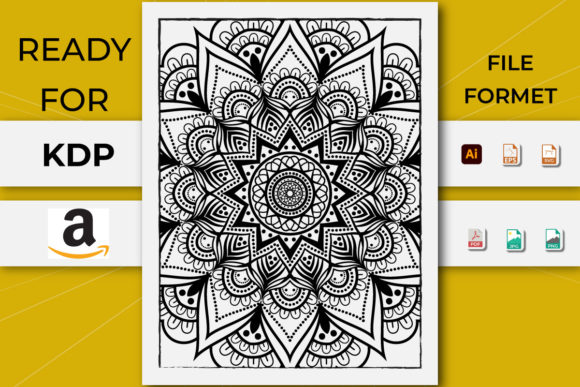
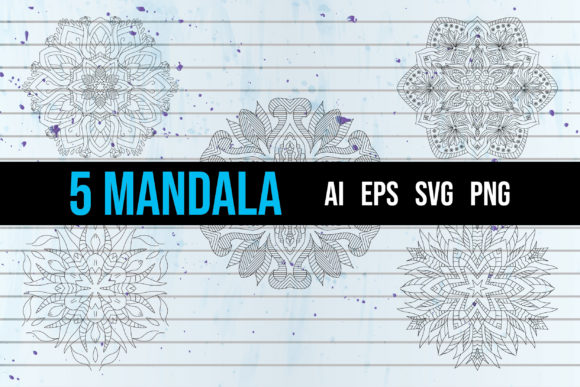
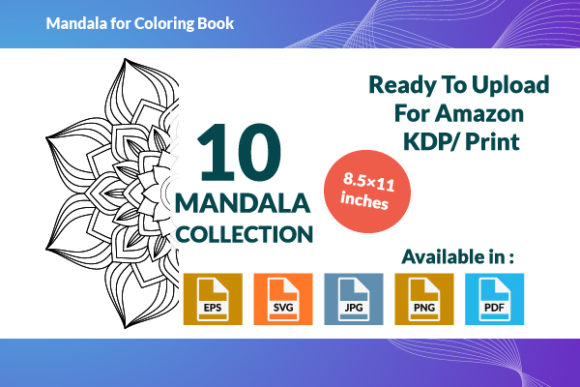
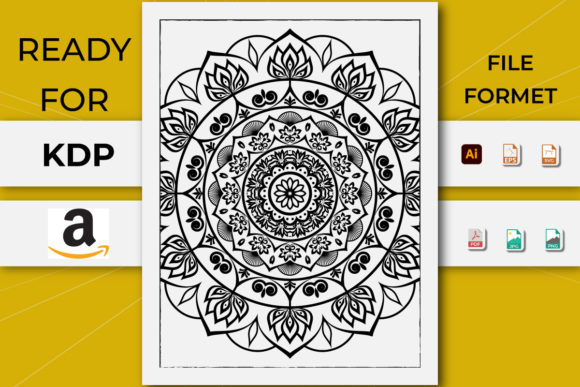
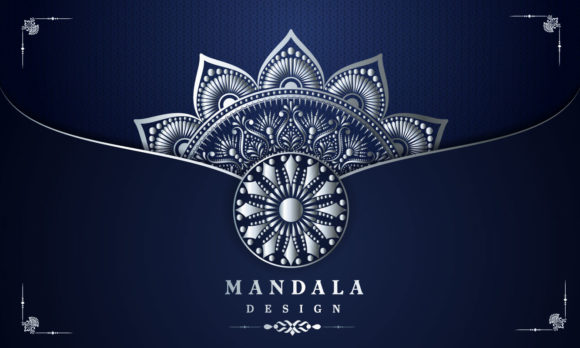
Mandala immediately evokes a sense of calm and symmetry. The intricate patterns and balanced composition suggest a design rooted in mindfulness, spirituality, or natural harmony. This makes it ideal for clients looking to create a soothing, artistic atmosphere—whether for a boutique product line, a wellness brand, or an Etsy shop selling handmade goods.
The style leans toward a modern yet traditional aesthetic, blending geometric precision with organic flow. It feels both timeless and contemporary, which is a rare balance in today’s fast-moving design trends. For a small business owner or a digital seller, this kind of design can help establish a strong visual identity without appearing too generic or overused.
Real-World Applications: Where Mandala Shines
Mandala excels in large layout areas, hero graphics, and decorative accents. Its detailed nature makes it perfect for packaging design, product mockups, and website graphics where visual impact is key. For instance, using Mandala as a background for a social media post or a Canva template can add depth and interest without overwhelming the viewer.
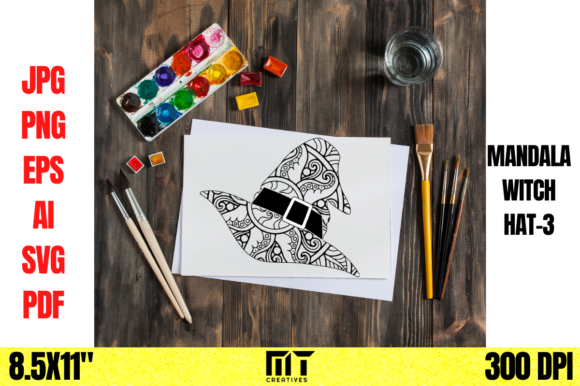
It also works well in themed collections, such as seasonal campaigns or holiday promotions. Imagine a t-shirt design featuring Mandala as a central motif, or a set of stickers that incorporate its patterns. The asset’s versatility allows it to adapt across multiple formats, from print-on-demand products like mugs and tote bags to digital ads and Instagram posts.
In editorial design, Mandala could serve as a recurring visual element that ties together different sections of a publication or blog. For a handmade business, it might be used as a border for product descriptions, a header for a blog post, or even as part of a downloadable printable wall art kit.
Where to Use Carefully: Limitations and Considerations
While Mandala is visually striking, it may not be the best choice for every project. In small sizes, the details can become lost or appear cluttered. This makes it less suitable for minimalist branding or professional corporate materials where clarity and simplicity are priorities.
Additionally, the complexity of the design could interfere with readability if placed over busy backgrounds or in crowded layouts. For a client focused on clean visual hierarchy, Mandala might need to be simplified or paired with other elements that provide contrast and balance.
For commercial design, it’s essential to review the licensing terms before using Mandala in a client project. Ensure that the asset comes with a commercial license that covers all intended uses, especially if it will be incorporated into a product sold online or printed for a physical audience.
Practical Designer Notes: Testing and Implementation
Before finalizing Mandala for a client project, I recommend testing it in various scenarios. Start by previewing it in black and white to see how the shapes and forms hold up without color. Check how it looks on both light and dark backgrounds to ensure good contrast and visibility.
Also, test it at different sizes. Zoom in to see if the details remain sharp and clear, and zoom out to assess how it functions as a larger graphic. Place it on real mockups—like a product box, a T-shirt, or a social media banner—to get a sense of how it integrates into the overall design.
If the asset includes PNG transparency, inspect how it interacts with different backgrounds. For SVG or vector files, verify that they are editable and scalable without losing quality. Compare Mandala with different font styles to see how it complements or contrasts with text elements in the design.
Conclusion: A Strong Asset for the Right Project
Mandala is a compelling graphic design asset that can bring a unique visual flair to a variety of creative projects. Its intricate patterns and balanced composition make it ideal for small business branding, handmade products, and print-on-demand ventures. However, its effectiveness depends on how it’s used and the context of the project.
For designers working on a seasonal campaign, an Etsy product launch, or a digital seller’s branding effort, Mandala could be a valuable addition to their design bundle. Just remember to test it thoroughly, consider its limitations, and confirm the licensing terms before integrating it into a client’s final deliverables.