Mandala Coloring Book: Graphics for KDP Interiors
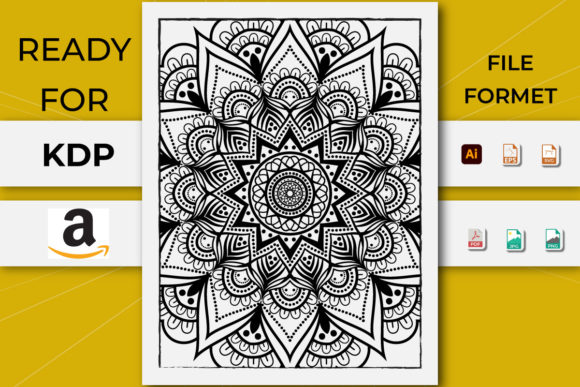
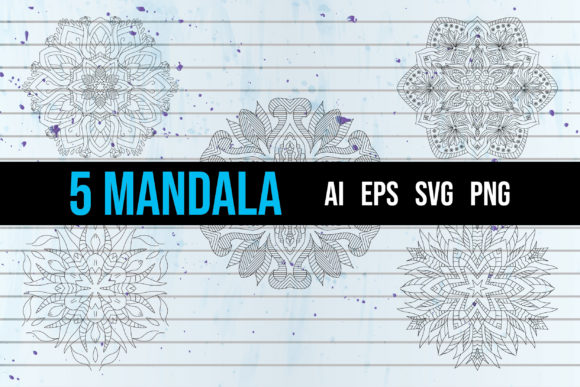
As a brand designer and content marketer who’s built visual systems for wellness coaches, indie publishers, and lifestyle brands, I opened Mandala Coloring Book expecting delicate linework—and found something far more strategically useful: a quietly powerful graphic design asset that bridges mindfulness aesthetics with commercial versatility. This isn’t just clipart—it’s a creative design toolkit built for real-world marketing workflows.
First Impression: Calm Authority, Not Just Cute
The moment you preview the pages, you feel it: a grounded, centered mood—neither clinical nor overly whimsical. That balance is rare. For brands positioning around self-care, slow living, or mindful entrepreneurship, Mandala Coloring Book delivers immediate audience trust without sacrificing sophistication. It reads as modern design, not dated craft-store filler. That matters when your Instagram post or Pinterest pin has under two seconds to signal “this is for *me*.”
Where It Elevates Real Marketing Projects
Last month, I helped a small business launch a seasonal digital product bundle—a guided journal + printable planner + meditation audio. We needed cohesive, non-distracting visuals that felt handmade but polished. Mandala Coloring Book became our secret layer: used as subtle background textures in Canva templates, scaled-down accents on email banners, and even re-colored as decorative borders in PDF lead magnets. The result? A unified brand identity across touchpoints—no stock-photo fatigue, no visual dissonance.
It performs exceptionally well in social media graphics, especially for platforms where texture and rhythm drive engagement. On Pinterest, mandalas increase dwell time when paired with soft typography and ample white space. On Instagram Stories, a single isolated motif works as a dynamic sticker or animated overlay. As editorial design elements, they add rhythm to blog headers or newsletter dividers—never shouting, always supporting.
Strategic Fit Across Brand Touchpoints
- Packaging design: Perfect for die-cut inserts, belly bands, or gift box liners—adds tactile warmth to eco-friendly or premium product launches.
- Product labels: Works beautifully as a subtle watermark behind minimal text, reinforcing artisanal credibility.
- Digital ads: When simplified into monochrome SVG format, it scales cleanly for Facebook and Google Display ads—even at thumbnail size.
- Website headers & email banners: Offers instant visual hierarchy—guiding the eye toward CTAs while holding emotional resonance.
- Printable promotions & content bundles: As a printable design, it adds perceived value to low-cost digital products without inflating file size.
Where It Builds Stronger Campaigns
This asset strengthens small business branding by solving three silent problems: visual consistency, emotional clarity, and production speed. Because each page shares core symmetry and line weight, swapping motifs across formats feels intentional—not patchwork. That consistency builds stronger recognition. And because mandalas inherently suggest focus and balance, they reinforce messaging around intentionality, growth, or renewal—making them ideal for launch campaigns, coaching programs, or seasonal offers.
Best Used As…
Think of Mandala Coloring Book as your decorative brand element—not the headline, but the quiet signature beneath it. Use it most effectively in:
- Hero graphics (with 60% opacity over gradient backgrounds)
- Campaign headers (centered, oversized, with bold sans-serif type)
- Branded templates (especially for Canva users building content kits)
- Packaging accents (foil-stamped on kraft paper or embossed on matte cardstock)
- Content bundles (as bonus coloring pages inside digital product ZIPs)
Use With Intention—Not Autopilot
It’s not universal. Avoid Mandala Coloring Book in contexts demanding stark clarity or corporate neutrality: formal investor decks, B2B SaaS landing pages, or dense infographics. It can overwhelm text-heavy ads or compete with primary messaging if placed too prominently. Also test carefully on mobile—some intricate patterns lose legibility below 200px width. And never assume compatibility: this is a commercial design asset, so verify its commercial license covers your use case—especially for client work, paid ads, or POD merchandise.
Brand Designer Notes You’ll Actually Use
Before finalizing any campaign, run these quick checks:
- Test it with your brand color palette—does it harmonize with your primary and secondary hues, or clash in unexpected ways?
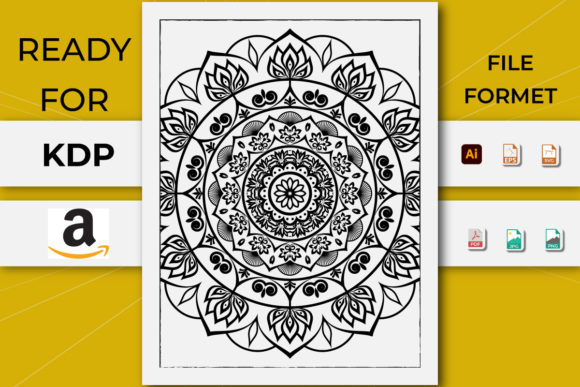
- Check black-and-white usage—many mandalas rely on contrast; confirm they hold structure when desaturated.
- Place it inside real campaign mockups—not just on white, but over your actual website hero image or packaging photo.
- Preview on mobile screens—especially in email clients and Instagram feed previews.
- Test readability in small sizes—try scaling down to 80px height and placing over a light gray background.
- Compare against competitor visuals—does it help you stand out, or blend in?
- Pair it with font styles—it sings with clean sans-serifs (like Inter or Montserrat), grounds script fonts (like Pacifico), and adds dimension to display serifs (like Playfair Display).
- Review spacing and balance—mandalas need breathing room. Never crowd them with icons or tight text blocks.
Why This Belongs in Your Creative Marketplace Toolkit
Mandala Coloring Book isn’t just another design bundle—it’s a flexible, emotionally intelligent digital product that supports authenticity without sacrificing polish. Whether you’re designing a KDP interior, building a branded Canva template library, or refreshing your social media graphics, it delivers professional-grade marketing visuals fast. And because it’s rooted in timeless symbolism—not fleeting trends—it stays relevant across seasons, audiences, and platforms. For content creators, digital sellers, and creative entrepreneurs building with intention, this is one graphic design asset worth keeping open in your layers panel.