Easter Lined Journal Notebook
First Impression: A Quiet, Thoughtful Easter Vibe
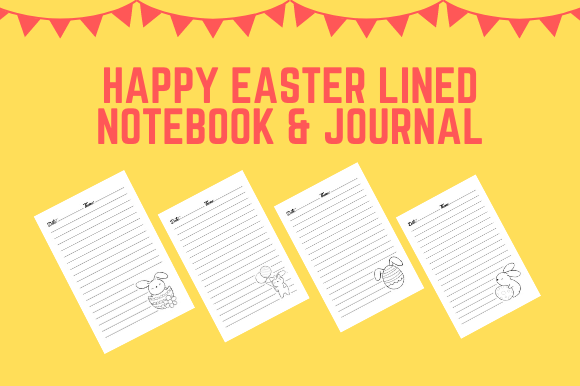
Opening the Easter Lined Journal Notebook file feels like flipping through a well-loved sketchbook—soft, intentional, and gently festive. It’s not loud or cartoonish; instead, it leans into delicate line work, subtle Easter motifs (think tiny eggs, sprigs of lavender, minimalist bunnies), and clean, readable lined pages—all designed at 6×9 inches. As an embroidery designer who’s stitched hundreds of holiday-themed pieces, I immediately noticed how this design breathes. There’s ample negative space, consistent stroke weight, and no visual clutter. That matters—because when you translate this into a machine embroidery design, every curve and corner needs to hold up under thread, tension, and fabric movement.
Where This Design Truly Shines: Real Projects, Real Clients
Last week, I used the Easter Lined Journal Notebook as inspiration for a custom embroidered tote bag for a local boutique’s spring launch. Instead of stitching the full interior layout, I isolated one elegant egg-and-floral border from the PDF version and digitized it as a satin-stitched applique design for the bag’s lower hem. Customers loved the quiet sophistication—no plastic bunnies or glittery fonts, just something warm, handmade, and seasonally grounded. That’s the strength of this asset: it’s built for *adaptation*, not just printing.
It works beautifully for:
- Sweatshirt embroidery — scaled down as a chest pocket motif with light fill stitch density
- Embroidered patch — especially when simplified into a single-color running stitch outline
- Baby embroidery — on onesies or burp cloths, where soft lines read clearly without overwhelming tiny proportions
- Kitchen towel design — printed mockups showed how the lined journal aesthetic translated seamlessly to linen and cotton blends
- Holiday gift tags & nursery decor — the 110-page structure makes it easy to pull individual pages as printable or stitchable elements
Where to Proceed With Care
This isn’t a “drop-in-and-stitch” file for every surface. The Easter Lined Journal Notebook includes fine linework and small-scale details—ideal for flat, stable fabrics but tricky on stretchy knits or curved surfaces like caps. I tested a corner motif on a ribbed baby beanie: the lines blurred slightly due to fabric compression, so I re-digitized it with wider spacing and reduced stitch density. On dark fabric? Always check contrast in black-and-white mockups first—the delicate lines can disappear without careful thread color selection.
Also worth noting: while the SVG and AI files give flexibility for vector editing, the PPTX and PDF versions are best suited for print or digital mockups—not direct embroidery digitizing. If you’re planning to convert this into a machine embroidery design, treat the PDF as a reference, not a source file. And if you're using it for commercial embroidery (like selling finished embroidered sweatshirts or personalized gifts), confirm licensing terms with Kdp Interiors—especially since this falls under Graphics, not pre-digitized embroidery files.
What It Adds to Your Finished Product—Beyond Stitching
The Easter Lined Journal Notebook elevates perceived value—not because it’s flashy, but because it signals thoughtfulness. When customers see that same gentle line art stitched onto a tea towel or baby blanket, they don’t just see “Easter.” They see care, cohesion, and intention. That builds trust, especially for Etsy sellers and small shop owners whose brand relies on authenticity over algorithm-friendly trends.
For craft business owners, it supports brand consistency across product types: use the same egg motif on a pillow cover, then echo it in your digital product previews or social media graphics. For apparel decorators, it offers a ready-made seasonal theme that avoids cliché—making it easier to pitch to boutique clients who want elevated, non-mass-market holiday pieces.
Practical Designer Notes Before You Stitch
Before committing thread, time, or client expectations to the Easter Lined Journal Notebook, here’s what I do—and recommend you do too:
- Test on scrap fabric first — especially if working with textured or lightweight material
- Review stitch density — dense fill areas may pucker thin cotton; consider switching to stipple or open fill stitch
- Confirm hoop size compatibility — some page borders extend close to edges; scale accordingly
- Inspect small details — tiny lettering or fine stems may need manual cleanup in your embroidery software
- Try black-and-white mockups — helps spot low-contrast areas before stitching begins
- Use appropriate stabilizer — medium-weight cutaway works best for structured items like tote bags; tear-away is sufficient for stable woven fabrics
- Check commercial use rights — verify whether resale of finished embroidered products or digital embroidery files is permitted
A Design That Supports, Not Dictates
What sets the Easter Lined Journal Notebook apart isn’t novelty—it’s utility. It doesn’t shout. It invites. As a designer, I appreciate that it leaves room for my voice: my thread palette, my digitizing choices, my understanding of how fabric behaves. It’s a foundation, not a finish. Whether you’re building a holiday collection for your Etsy shop, creating personalized gifts for a church bazaar, or developing cohesive branding for a handmade baby line, this design gives you a quiet, confident starting point—one that feels handmade, not templated.
If you’re evaluating embroidery files for real-world use—not just aesthetics—the Easter Lined Journal Notebook earns its place in your design assets folder. Just remember: great embroidery starts with smart adaptation. Let the lines guide you, but always let your craft lead the way.