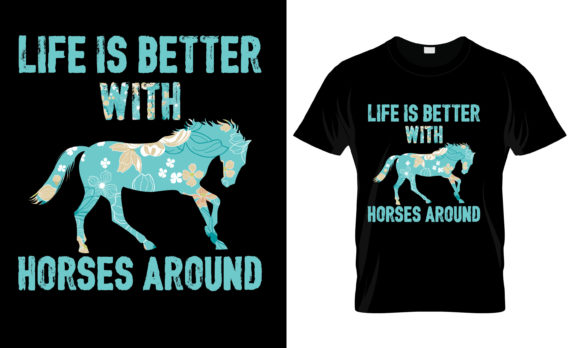
Life Is Better with Horse Around T-Shirt
A Designer’s First Look: Charm, Clarity, and Craftsmanship
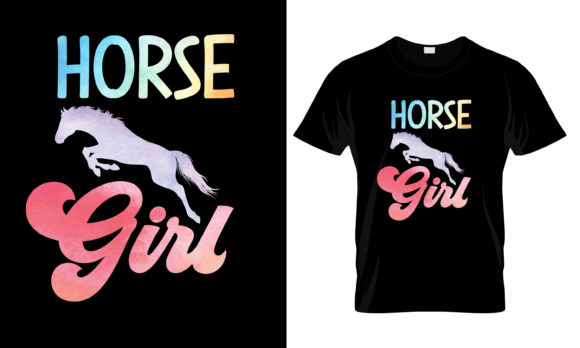
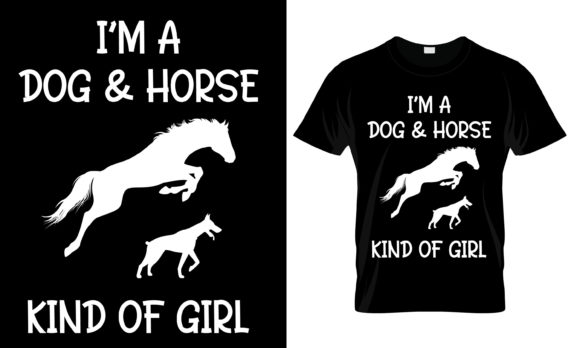
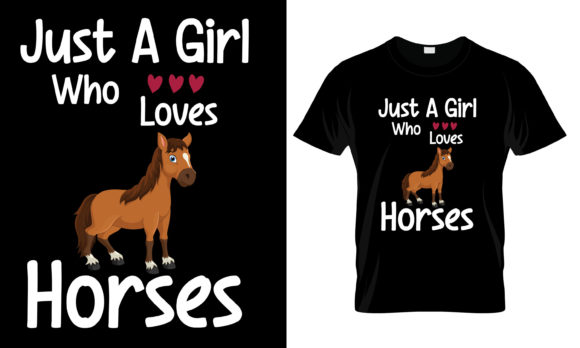
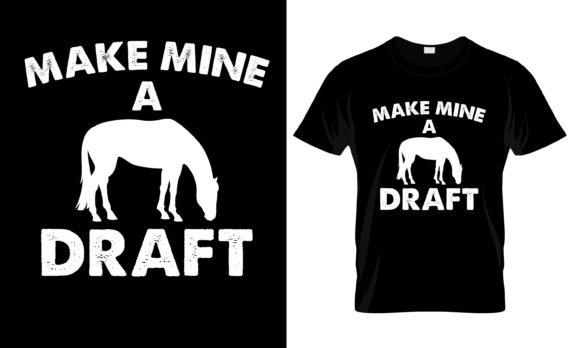
When I opened Life is Better with Horse Around T-Shirt for the first time, what struck me wasn’t just the cheerful horse illustration—it was how instantly readable it felt. The design balances playful energy with clean structure: a friendly, slightly stylized horse head anchors the composition, while the phrase wraps around it in rounded, legible lettering. It doesn’t shout; it smiles. That tone matters—especially if you’re stitching this onto a baby onesie for a barn-themed nursery or embroidering it on a linen tea towel for a local equestrian boutique.
Where This Design Truly Shines
I recently used Life is Better with Horse Around T-Shirt as the centerpiece for a custom embroidered tote bag—cotton canvas, medium weight, with a 5” × 7” hoop. The result? Crisp satin-stitched outlines, smooth fill stitch coverage in the horse’s mane and body, and zero thread nesting. It held up beautifully on textured fabric because the design avoids micro-details—no tiny hooves, no intricate eyelashes, no overlapping fine lines that could blur or skip during stitching. That makes it ideal for:
- Sweatshirt embroidery (especially on fleece-backed cotton blends)
- Embroidered patches for denim jackets or backpacks
- Baby embroidery on organic cotton bodysuits or burp cloths
- Tote bag design for craft fairs or small shop merchandise
- Holiday embroidery—think horse-and-holly kitchen towels or personalized holiday stockings
- Commercial embroidery projects where consistency across dozens of units matters
Real-World Considerations Before You Stitch
Not every surface is equal—and neither is every use case. Here’s where to pause and plan:
- Small hoop sizes: The full layout fits comfortably in a 5” × 7” hoop, but if you’re working with a 4” round or 3.5” × 3.5” cap hoop, consider simplifying or repositioning elements. The curved text may compress awkwardly below 4.5” width.
- Stretchy or thin fabric: On lightweight jersey or ribbed knit tees, stabilizer choice becomes critical. Use cutaway + tear-away combo—not just tear-away—to prevent puckering in the fill-stitch areas.
- Dark fabric: The included PNG is high-res (4500×5400 at 300 dpi), which helps when creating printable mockups—but for actual embroidery, test thread color contrast first. Light tan or cream thread reads well on navy or charcoal, but avoid pale yellow on black without a white underlay.
- Curved surfaces: Caps and beanies require digitizing adjustments not included in this Graphics file. If you’re planning hat embroidery, treat Life is Better with Horse Around T-Shirt as a starting point—not a ready-to-hoop solution.
- Frequent washing: The stitch density feels balanced—not overly dense, not too sparse—so it should hold up through repeated laundering. Still, I recommend testing one finished product through three cold-water cycles before launching a batch for your Etsy shop.
How It Shapes Your Handmade Product’s Impact
This isn’t just about whether the horse looks right—it’s about how customers *feel* when they hold your finished product. A well-executed Life is Better with Horse Around T-Shirt elevates perceived value: the rounded letterforms suggest care, the confident line weight implies confidence in execution, and the overall warmth invites connection. For Etsy sellers and small shop owners, that translates directly into higher conversion and fewer “Is this machine embroidered?” questions. It also supports brand consistency—if your shop leans rustic-chic, equestrian-lifestyle, or gentle-nursery, this design reinforces that voice without needing heavy editing.
Practical Embroidery Designer Notes
Before committing to production, here’s my checklist—refined from years of real project work:
- Test on scrap fabric first—same weight, same stretch, same dye lot if possible.
- Review stitch density visually in your embroidery software. Watch for tight clusters in the horse’s ear or jawline that might cause thread breaks.
- Confirm hoop size compatibility. This is a Print Templates asset—not pre-digitized—so you’ll need to digitize or outsource digitizing before machine embroidery.
- Inspect small details: The eye and nostril are implied, not outlined—perfect for faster stitching, but verify they read clearly at your intended size (minimum 3.5” wide recommended).
- Try black-and-white mockups to assess contrast and hierarchy—especially useful for digital product previews or social media listings.
- Compare light/dark fabric backgrounds using your own photos—not stock mockups—to gauge real-world readability.
- Use proper stabilizer: Medium-weight cutaway for knits, lightweight tear-away for stable wovens like linen or quilting cotton.
- Confirm licensing before selling finished items or bundling the files. As a Graphics file, it likely permits commercial use—but always verify terms with the seller.
Final Thought: A Reliable, Warm, and Well-Balanced Asset
Life is Better with Horse Around T-Shirt won’t wow with technical complexity—but it doesn’t need to. Its strength lies in its quiet reliability: it stitches cleanly, reads warmly, scales predictably, and fits naturally into handmade product lines that value authenticity over flash. Whether you’re a solo embroiderer building a craft business, an Etsy seller curating seasonal collections, or a boutique owner sourcing small-batch decor, this design earns its place in your library—not as a novelty, but as a quietly capable tool. Just remember: great embroidery starts long before the needle drops. Test it. Trust your instincts. And let the horse do the rest.