Dog Coloring Page for Kids
A Designer’s First Glance: Simplicity with Quiet Charm
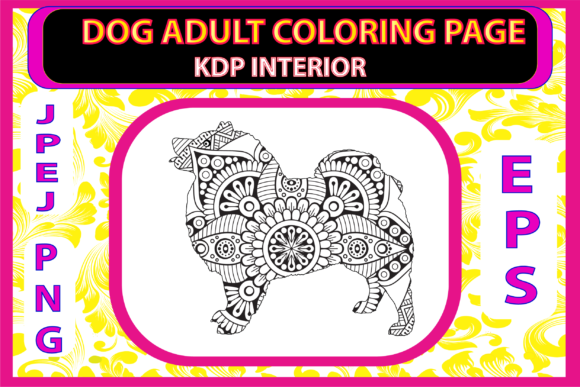
When I opened Dog Coloring Page for Kids, my first thought wasn’t “cute”—it was “clear.” The line work is confident, uncluttered, and intentionally open. This isn’t a dense mandala or an ultra-detailed portrait—it’s a friendly, approachable dog outline with gentle curves, soft ears, and space built in for color (or, in our case, stitch). As an embroidery designer who regularly adapts coloring pages into machine embroidery designs, I appreciate how much breathing room this gives. It feels like a sketch waiting for texture—not a finished illustration demanding perfection.
Where It Shines: Real Projects, Real Fabric
Last week, I used Dog Coloring Page for Kids as the centerpiece for a custom embroidered tote bag for a local pet-sitting business. We stitched it on natural canvas with light gray thread and a subtle satin-stitched border. The result? Instant warmth—no fuss, no visual fatigue. Customers loved that it read clearly at arm’s length but didn’t overwhelm the bag’s utilitarian shape. That’s the sweet spot: Dog Coloring Page for Kids works best where charm meets function—baby onesies, kitchen tea towels, nursery pillow covers, and small-batch aprons for dog-themed bakeries or vet clinics.
It also translated beautifully into an embroidered patch. Because the lines are bold and well-spaced, the fill stitch stayed clean even at 3.5" wide. No skipped stitches, no thread nesting in tight corners—just consistent coverage and crisp edges. For Etsy sellers building a cohesive collection of pet-themed embroidery files, this design pairs naturally with simple paw prints or bone motifs, not competing for attention but holding its own.
Where to Pause—and Test
That same openness becomes a consideration on stretchy fabrics like cotton jersey or thin baby knits. Without careful stabilizing, the outer lines can waver slightly under tension—especially around the dog’s rounded snout and ear tips. I recommend testing Dog Coloring Page for Kids on scrap fabric first, using your exact hoop size and stabilizer combo. If you’re planning sweatshirt embroidery or caps, check how the curve of the dog’s back flows over seams or domes—some minor digitizing tweaks may help maintain proportion.
Dark fabrics call for extra attention too. Since the original line art relies on contrast, avoid overly fine running stitches in shadow areas unless you’re adding a light underlay. And while the design doesn’t include tiny lettering or micro-details, if you plan to add a name or date inside the dog’s silhouette (say, for a personalized gift), confirm that your embroidery software handles nested text cleanly within the interior space.
Stitch Density & Fabric Respect
This isn’t a high-density fill-stitch beast—thank goodness. Dog Coloring Page for Kids leans into outline-based interpretation, which means lower stitch counts and gentler wear on delicate items like baby blankets or holiday ornaments. That directly supports longevity and comfort. For handmade product sellers, that translates to fewer post-purchase questions about stiffness or washability. Buyers notice when embroidery feels *light*, not labored.
What It Adds to Your Brand—Beyond the Stitch
As a craft business owner, I judge design assets not just by technical execution but by how they shape perception. Dog Coloring Page for Kids reads as thoughtful, not generic. It doesn’t scream “clip art”—it whispers “handmade with care.” That builds trust, especially for personalized gifts or boutique merchandise where customers pay a premium for authenticity. When paired with quality thread and intentional placement (centered on a linen pillow cover, offset on a denim jacket pocket), it elevates the whole finished product—not just decoratively, but emotionally.
I’ve seen similar outlines fall flat when scaled too small (<2") on curved surfaces like baseball caps. But because this dog’s proportions are balanced—not too tall, not too narrow—it holds up well between 2.75" and 4.5". That flexibility matters for small shop owners juggling multiple product types without needing five versions of the same motif.
Practical Notes Before You Stitch
- Always test Dog Coloring Page for Kids on your target fabric + stabilizer combo—especially for baby embroidery or commercial embroidery runs.
- Review stitch density in your embroidery software; adjust underlay if stitching on textured or loosely woven fabrics.
- Check contrast: preview the design in black-and-white mockups on both light and dark backgrounds before finalizing thread colors.
- Confirm licensing terms—since this is listed as a Kdp Interiors Graphics asset, verify whether the license permits use in physical finished products (e.g., embroidered tote bags sold on Etsy) or only digital resale.
- If adapting for applique design, leave at least 1/8" seam allowance around the outer edge—those soft curves need room to land cleanly.
- For holiday embroidery or personalized gifts, consider pairing it with seasonal accents (a tiny bow, snowflakes, or a heart)—but keep them separate layers so the core dog remains versatile year-round.
Final Thought: A Quiet Workhorse
Dog Coloring Page for Kids won’t stop traffic with flash—but it earns repeat orders with reliability. It’s the kind of embroidery file that disappears into your workflow, then reappears in delighted customer messages: *“My toddler points to it every morning!”* or *“So perfect on our rescue shelter tote.”* That’s the mark of strong design—not novelty, but resonance. Whether you’re prepping for craft fairs, building a printable mockup library, or sourcing digital embroidery files for your small shop, this one earns shelf space. Just remember: let the simplicity speak, stabilize with intention, and trust the lines.