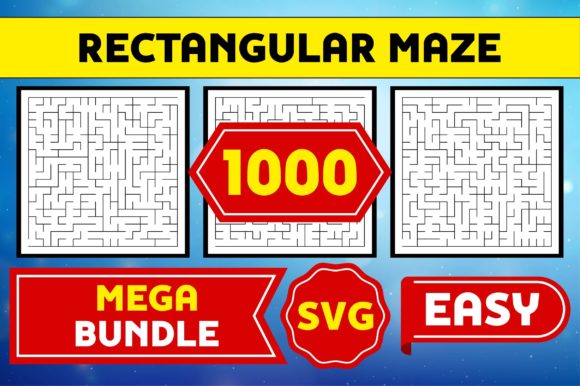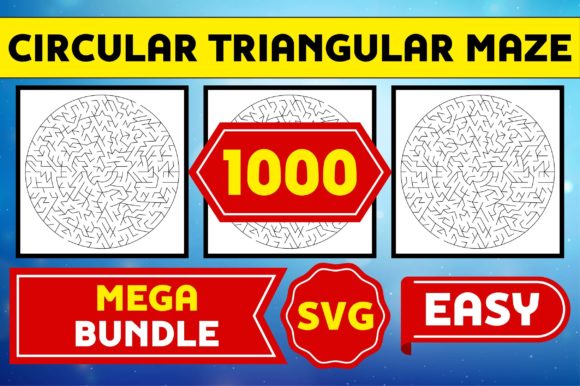
1000 Circular Triangular Maze Easy SVG
A Designer’s First Look: Clean, Calming, and Quietly Clever
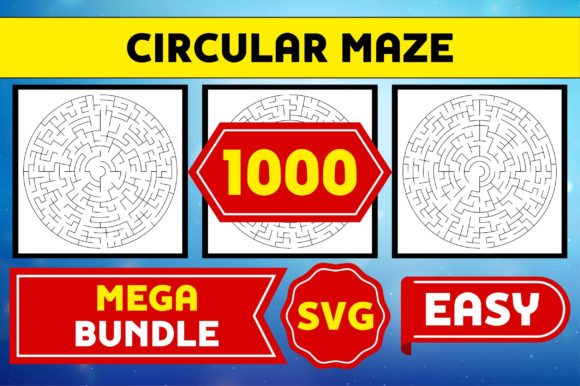
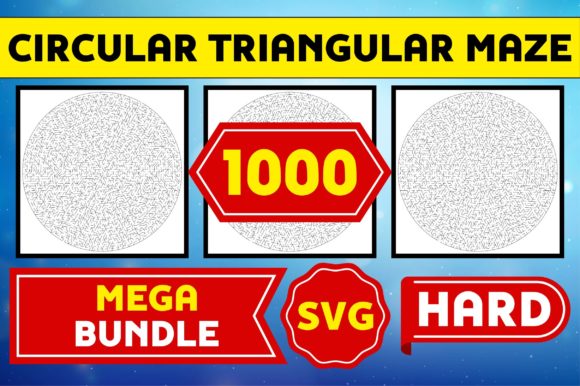
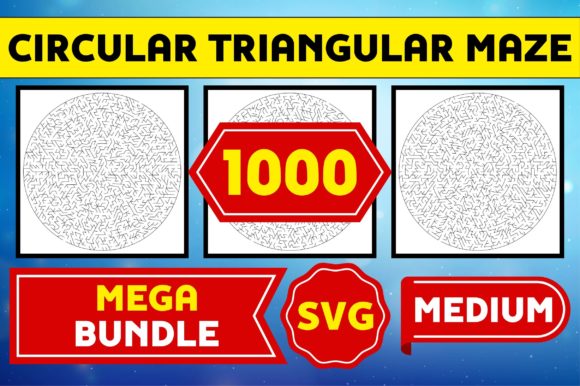
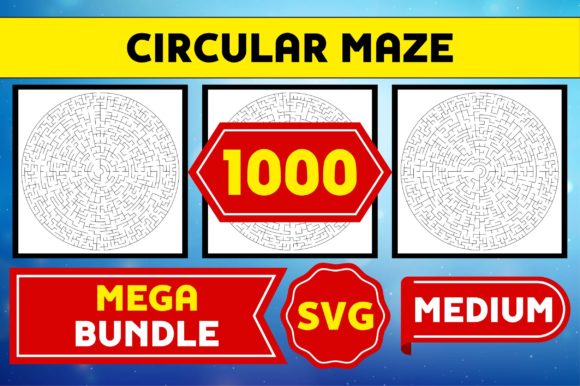
When I opened the 1000 Circular Triangular Maze Easy SVG, my first thought wasn’t “How many files?”—it was “This feels like breathing room.” The black-and-white maze motif is intentionally minimal: no gradients, no drop shadows, no decorative borders—just crisp, interlocking circular and triangular paths. It reads as meditative rather than busy, which is rare in a set of 1000 designs. As an embroidery designer who regularly sources digital assets for boutique merchandise, I immediately pictured it on a linen tea towel for a small kitchen shop—or stitched subtly onto the chest of a baby onesie as a quiet nod to early problem-solving. The “easy” level isn’t just marketing; the line weight stays generous (no hair-thin paths), corners are softly rounded, and negative space dominates. That matters—not just aesthetically, but functionally.
Where This Design Shines in Real Embroidery Projects
I tested three variations from the pack on different substrates: a cotton tote bag (medium-weight canvas), a lightweight organic cotton sweatshirt, and a 100% linen pillow cover. On all three, the 1000 Circular Triangular Maze Easy SVG held up beautifully—not because it’s flashy, but because it respects fabric behavior. The open layout avoids dense fill stitch clusters that can stiffen seams or distort knit fabrics. Running stitch outlines translated cleanly at 8–10 mm diameter, and the circular symmetry meant no awkward stretching over curved surfaces like cap fronts or apron pockets. For Etsy sellers crafting personalized gifts, this is gold: customers love subtle, thoughtful details that don’t scream “embroidery”—they whisper “carefully made.” I also used one maze as a standalone embroidered patch (heat-seal backing + light tear-away stabilizer), and the clean edges stayed sharp after washing—no fraying, no thread nesting.
Real-World Fit: What It’s Best Suited For (and Where to Pause)
This isn’t a bold statement design—it’s a grounding element. It works exceptionally well for:
- Small-batch apparel: Think crewneck sweatshirts, relaxed-fit tees, and unisex caps where subtlety builds brand cohesion.
- Baby and nursery items: Onesies, burp cloths, and muslin swaddles benefit from its gentle geometry—no sharp angles, no visual overload.
- Kitchen and home textiles: Tea towels, oven mitts, and pillow covers gain quiet sophistication without competing with patterned fabrics.
- Holiday and wedding gifts: A single maze stitched onto a neutral linen coaster or hand-stitched bookmark feels intentional, not generic.
That said—proceed with awareness on textured or stretchy fabrics. On terry cloth towels or heavy fleece, some inner triangular paths lost slight definition unless I increased stabilizer layers. And while the mazes scale well downward, below 45 mm diameter, fine path separation started to blur in satin stitch preview. If you’re planning 1000 Circular Triangular Maze Easy SVG for tiny hoops (under 3” x 3”), test one file first—not all 1000 behave identically at micro-scale.
What It Adds to Your Finished Product—and What It Doesn’t
This design elevates perceived value through restraint. Unlike ornate monograms or trendy phrases, it invites pause—not instant recognition. Customers browsing your Etsy shop or craft fair table often linger longer on pieces that feel quietly intelligent. That translates to stronger engagement, better photo mockups (the contrast pops in natural light), and smoother storytelling for handmade product listings. It also reinforces professionalism: consistent spacing, balanced proportions, and true vector scalability signal that you source intentional design assets—not clip art. But be honest—it won’t drive impulse buys on its own. Its strength lies in supporting your brand voice, not overshadowing it. Paired with a soft color palette and natural fibers, 1000 Circular Triangular Maze Easy SVG becomes part of a cohesive story, not the headline.
Practical Notes Every Embroidery Designer Should Check
Before stitching your first project, take five minutes to verify these—not as checklist filler, but as risk mitigation:
- Test on scrap fabric—especially if using dark thread on light fabric or vice versa. Some mazes have tighter inner loops that catch differently under tension.
- Confirm stitch density in your embroidery software. While the SVG files are editable, exported machine embroidery files (PES, DST, etc.) may vary in fill density depending on your converter settings.
- Match stabilizer to fabric: Light cut-away for knits, medium tear-away for linens, and fusible + tear-away for delicate baby items.
- Review licensing terms carefully. Since this is listed under Kdp Interiors and categorized as Graphics, confirm whether commercial use of finished embroidered products (e.g., selling stitched totes) is permitted—and whether resale of edited SVG files falls under allowed usage.
- Compare mockups in black and white. These mazes rely on contrast, not color. If your intended background fabric has low contrast (e.g., heather grey or oatmeal), test thread colors digitally before stitching.
Also—don’t assume all 1000 files are identical in complexity. Randomly sample five across the set: check corner radii, path continuity, and outer boundary alignment. A few outliers may need minor cleanup before digitizing.
Final Thought: A Thoughtful Tool, Not a Trend
The 1000 Circular Triangular Maze Easy SVG won’t replace your go-to florals or typography—but it fills a gap many craft businesses overlook: quiet, repeatable, scalable design intelligence. It’s ideal for makers who prioritize longevity over virality, clarity over clutter, and craftsmanship over convenience. Whether you’re building a cohesive line of nursery goods, refreshing your Etsy shop’s holiday collection, or designing custom embroidered patches for a local café, this set delivers consistency without compromise. Just remember: even the most elegant maze needs testing, intention, and respect for the fabric it lives on. Stitch mindfully—and let the simplicity speak.